Tag: Canada

  • Canadian ZEV Sales Surge 47% (Feb YoY) as Market Begins to Rebound

    Canadian ZEV Sales Surge 47% (Feb YoY) as Market Begins to Rebound

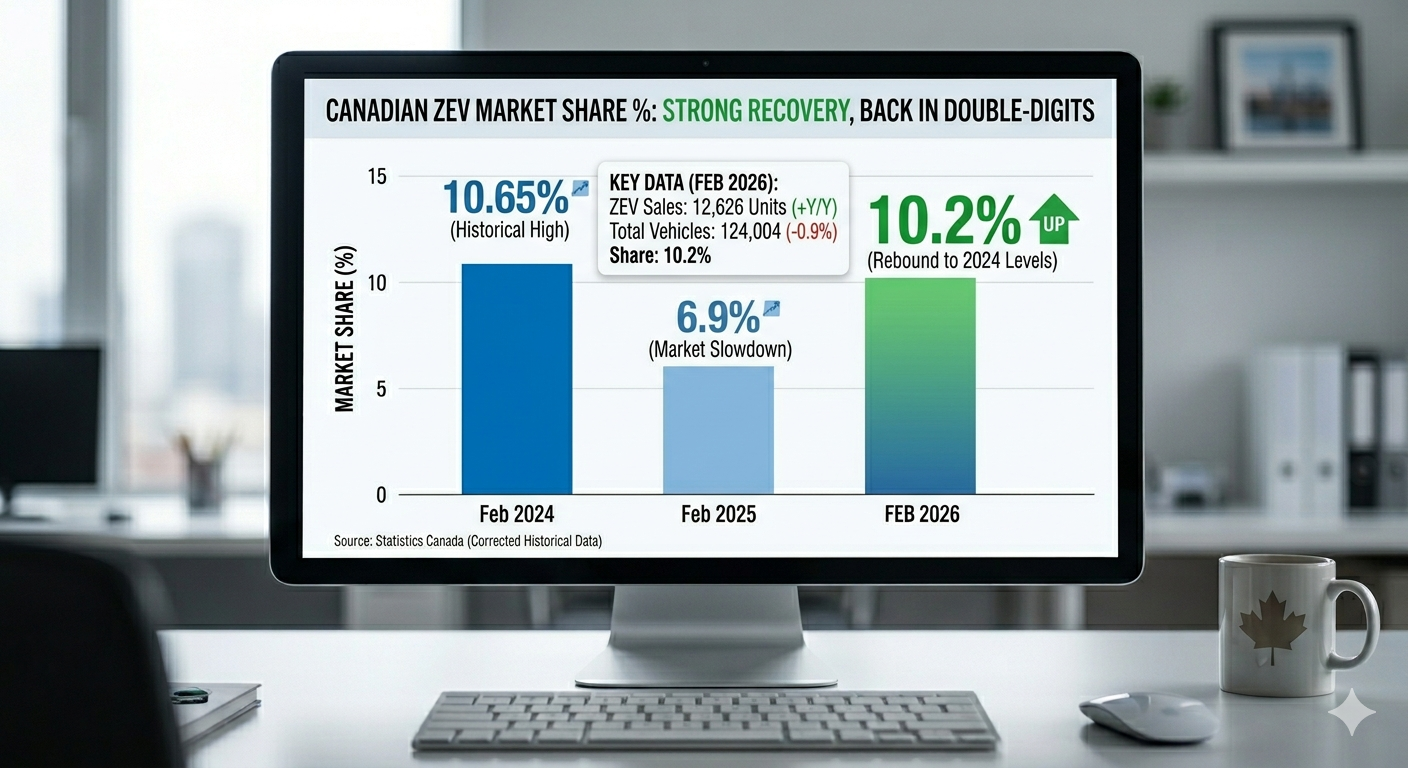
    Statistics Canada today released updated car sales numbers, showing zero-emission vehicles (ZEVs) accounted for 10.2% of all new motor vehicles sold in February 2026.

    While still shy of the historic highs seen throughout 2024, this marks a massive leap from the 6.9% market share ZEVs held just one year prior in February 2025. While the broader Canadian auto market experienced a slight cooling period, the EV sector is once again accelerating in growth and recovering lost ground.

    The EV Surge: By the Numbers

    Statistics Canada report shows the stark contrast between EV growth and the rest of the auto market.

    • Total ZEV Sales: 12,626 units
    • ZEV Year-over-Year Growth: +47.2%
    • Total Auto Market Sales: 124,004 units
    • Total Auto Market Growth: -0.9%

    While traditional internal combustion engine (ICE) passenger cars saw sales slide by 3.8% and trucks dipped by 0.5%, zero-emission vehicles are aggressively eating up a larger piece of the pie. The fact that the overall market contracted by nearly 1% while ZEV sales jumped up by over 47% is a clear indicator that the Canadian consumer is showing openness to electric vehicles.

    What’s behind the spike?

    As of February 16, 2026, the Electric Vehicle Affordability Program (EVAP) was launched by the federal government. Under the new program, buyers can access:

    • Up to $2,500 for Plug-in Hybrid Electric Vehicles (PHEVs)
    • Up to $5,000 for Battery Electric Vehicles (BEVs)

    Considering this program was only active for half the month, it shows a very positive reaction by Canadians eager to take advantage of it. There were also many incentives offered by dealerships that helped spur demand for EVs.

    What’s this means for the rest of 2026?

    It’s a mix of good news right now. Oil prices are at multi-year highs, which is driving people toward more efficient cars and electric vehicles. The federal government is offering an excellent $5,000 rebate on EVs. Tesla is now offering a $49,990 Model Y (also eligible for the additional $5,000 EVAP rebate), which is generating huge demand. Furthermore, other manufacturers are offering more affordable options and new car models.

    Later this year, Chinese imports will also start showing up in Canada. After a slowdown in 2025, it looks like 2026 EV sales are set for a strong rebound.

    The only current negative is the Canada/U.S. tariff situation, which is having an impact on cars like the Model 3. Currently, the Model Y shipped from Berlin is cheaper than a Model 3 coming from the U.S. This will likely change at some point this year as Tesla will likely start shipping Model 3s from China.

  • Updates on Canada’s Upcoming Largest Supercharger Site

    Updates on Canada’s Upcoming Largest Supercharger Site

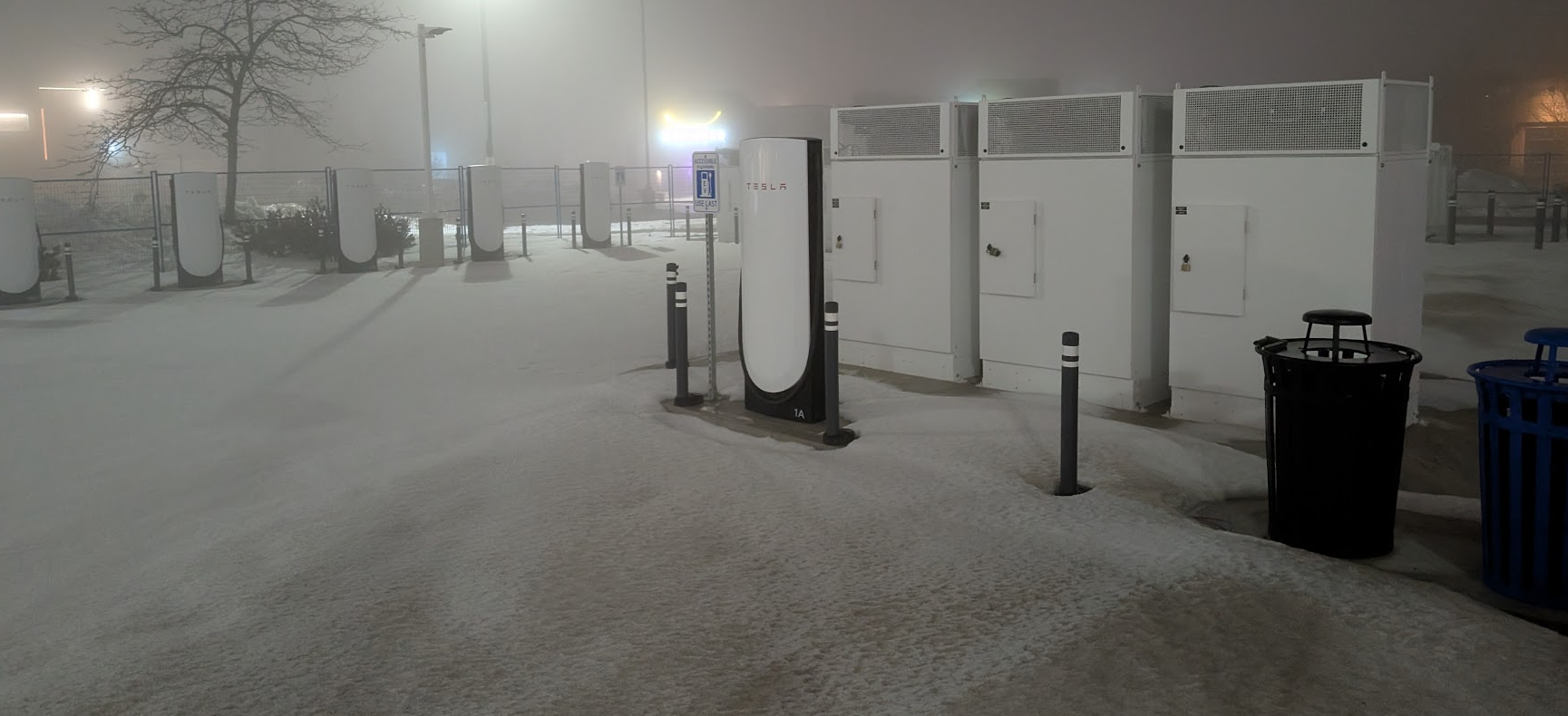
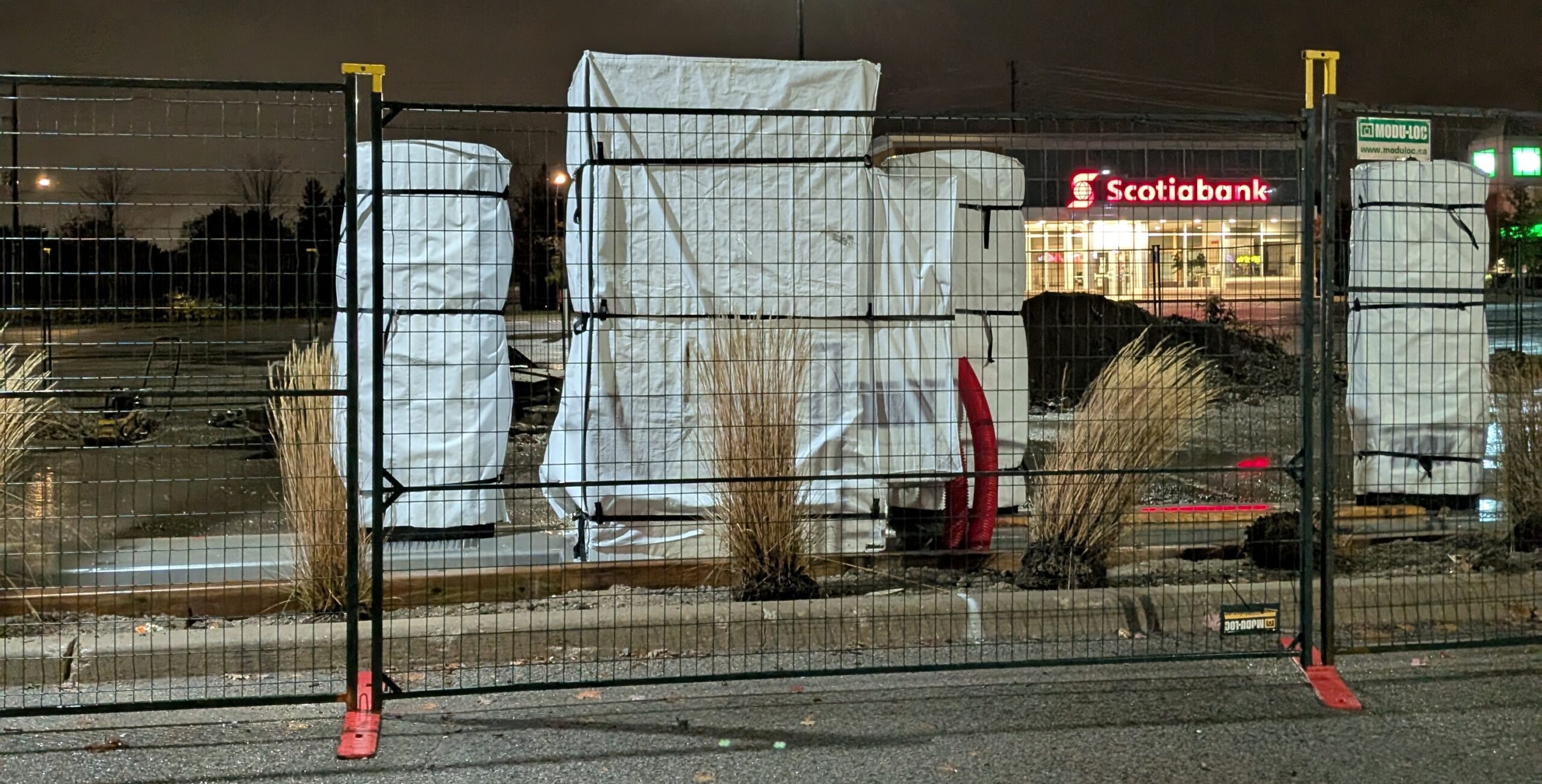
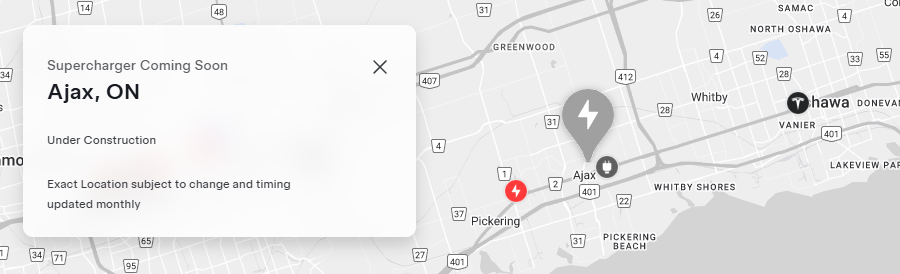
    Construction started in May 2025, and nine months later, the site is still not open. It was supposed to open on January 23, 2026, but has been delayed because of ongoing issues with the local utility provider, Elexicon Energy.

    It’s disappointing that despite it being months since we posted about this site nearing completion, it’s still sitting idle.

    This is what it looked like then:

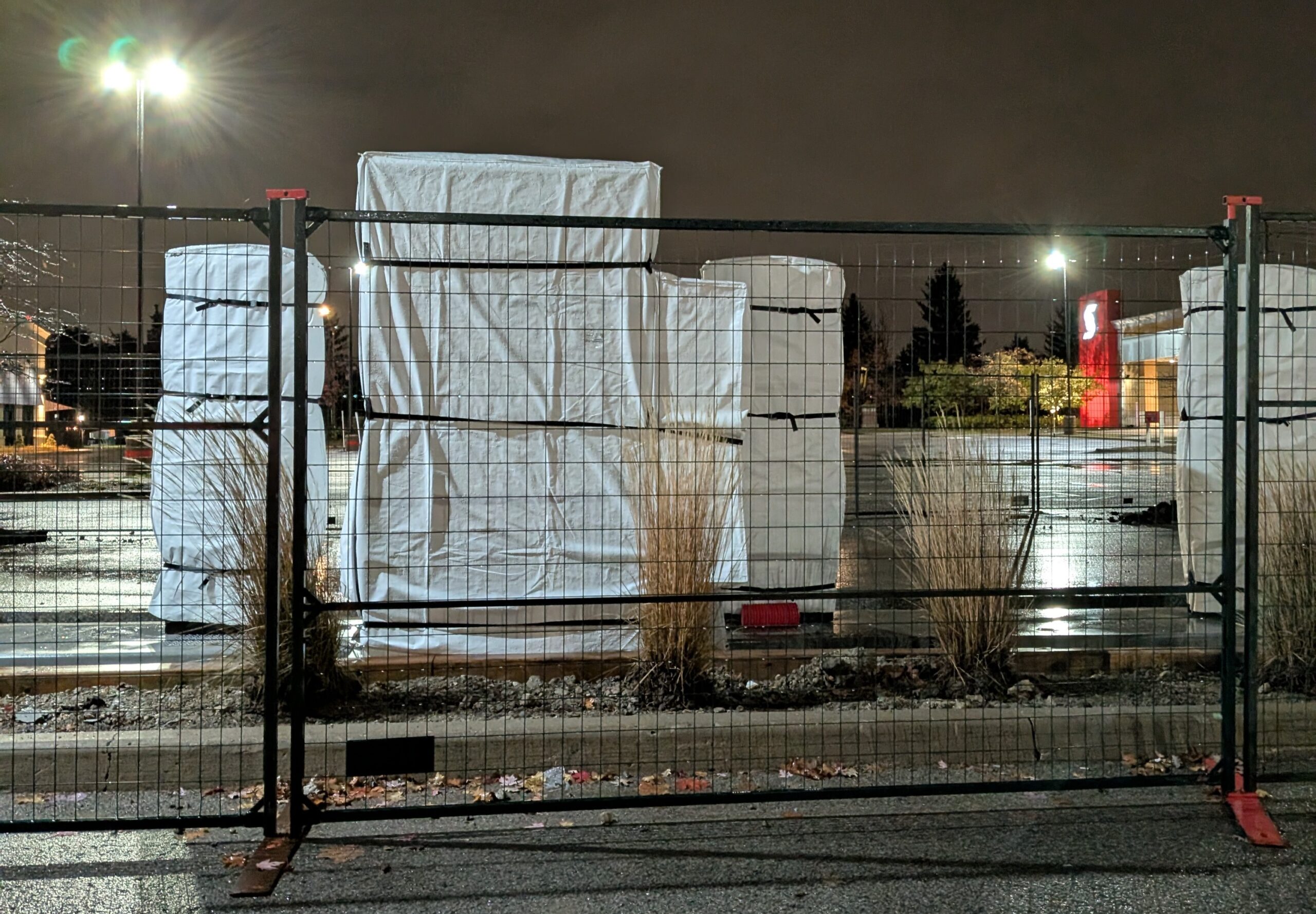
    This is what it looks like now (photos taken Feb 17, 2026). Site is covered in snow and still fenced up:

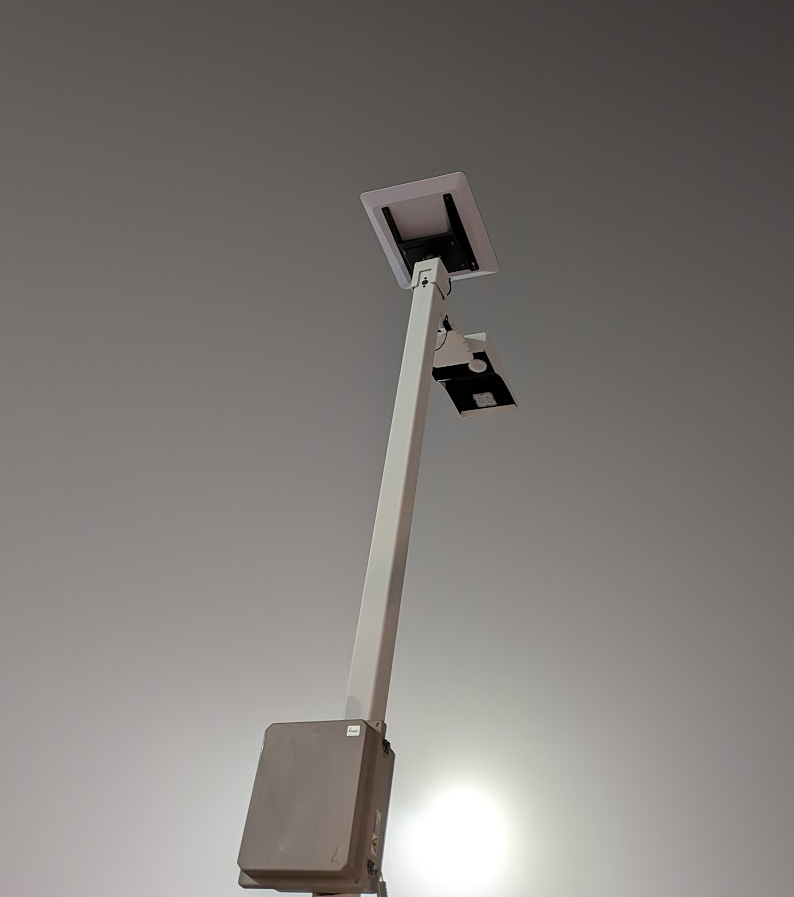
    We’ve learned a few new things, though. This site is Starlink-connected:

    And it will feature multiple accessible parking spots:

    Over the winter, on cold days, the older, smaller existing Supercharger nearby was running well beyond capacity. This new site is badly needed, and hopefully, Elexicon Energy can speed things up and finally get it energized.

  • Canada publishes list of approved cars eligible for $5,000 Rebate

    Canada publishes list of approved cars eligible for $5,000 Rebate

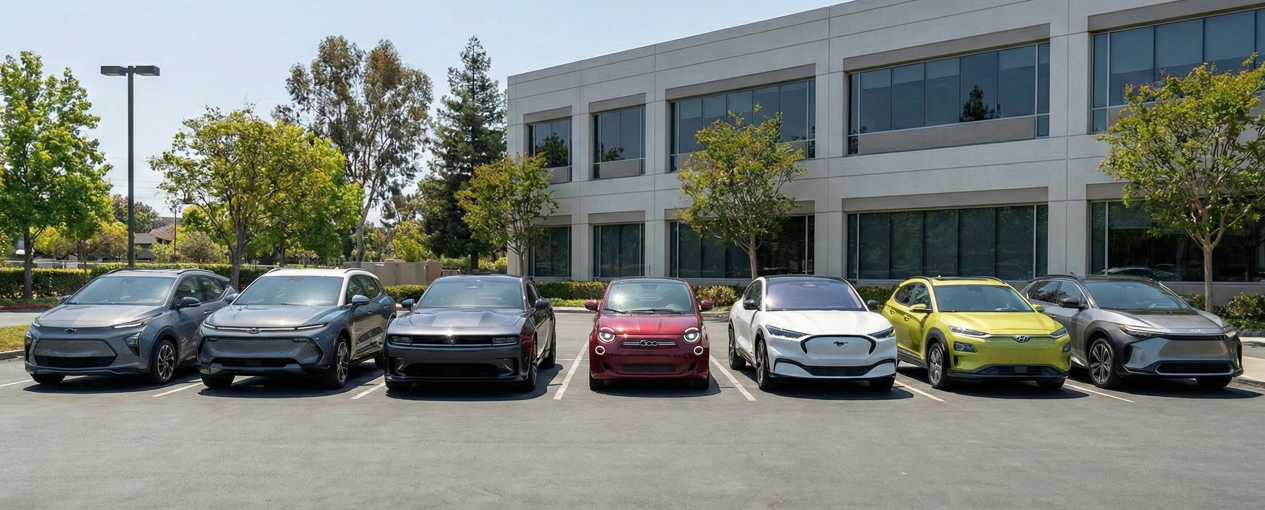
    The Electric Vehicle Affordability Program (EVAP) launches on February 16, 2026, and the list of new cars eligible to receive either a $5,000 (fully electric cars) or $2,500 (plug-in hybrids) rebate has been made public.

    EVs ($5,000 Rebate):

    • Chevrolet Bolt
    • Chevrolet Equinox EV
    • Dodge Charger
    • Fiat 500e
    • Ford Mustang Mach-E
    • Hyundai Kona EV
    • Toyota bZ
    • Hyundai Kona EV (updated Feb 18th, 2026)
    • Kia Niro EV (updated Feb 18th, 2026)
    • Kia EV4 (updated Feb 18th, 2026)
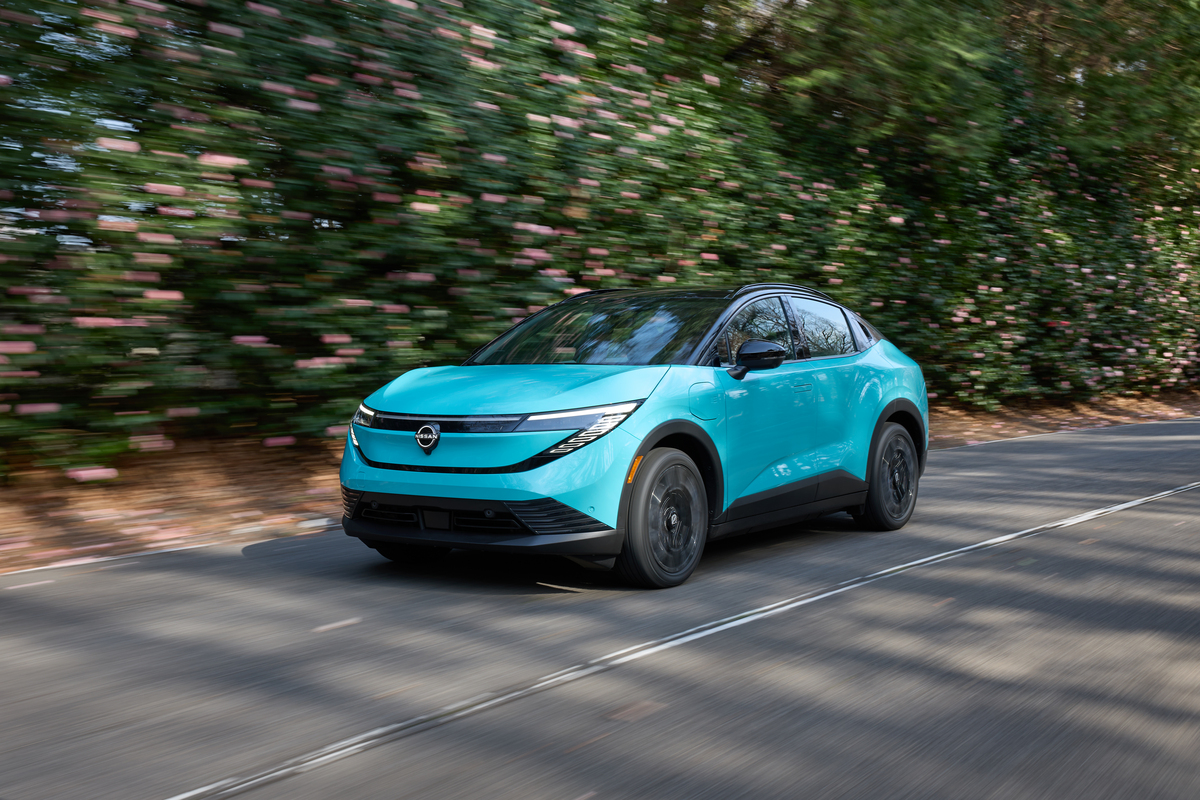
    • Nissan Leaf (updated Feb 18th, 2026)
    • Subaru Uncharted (updated Feb 19th, 2026)
    • Volkswagen ID.4 (updated Feb 20th, 2026)
    • Kia EV6 (updated Feb 20th, 2026)

    PHEVs ($2,500 Rebate):

    • Chrysler Pacifica
    • Ford Escape
    • Toyota Prius Prime
    • Mitsubishi Outlander PHEV (updated Feb 18th, 2026)
    • Kia Niro PHEV (updated Feb 18th, 2026)
    • Kia Sorento PHEV (updated Feb 18th, 2026)
    • Kia Sportage PHEV(updated Feb 18th, 2026)

    The Canadian government will continue to update the list. It is important to note that not all cars on the above list will qualify. The rebate is trim-dependent, and the Final Transaction Price must be under $50,000.

    Exception: Vehicles manufactured in Canada (like the Dodge Charger and Chrysler Pacifica) are exempt from the price cap.

    Final Transaction Price is defined as including the following:

    • Base price of the vehicle trim (inclusive of incentives or discounts offered by vehicle manufacturers or dealerships)
    • Optional features, add-ons, and packages
    • Accessories included at delivery
    • Manufacturer or dealership fees

    It is also interesting to note that the Nissan LEAF, which has an MSRP of $44,998, does not currently make the list. Neither does the Tesla Model Y, which starts at $49,990.

  • Richmond Hill, ON — 24-Stall Tesla Supercharger Under Construction

    Richmond Hill, ON — 24-Stall Tesla Supercharger Under Construction

    Construction is now underway on a new 24-stall Tesla Supercharger at RioCan Elgin Mills Crossing, just a few minutes west of Highway 404 on Elgin Mills Road East in Richmond Hill.

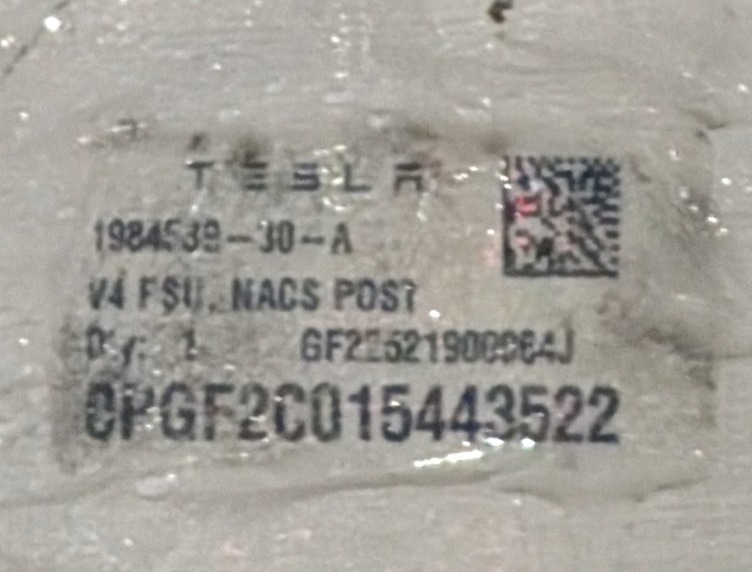
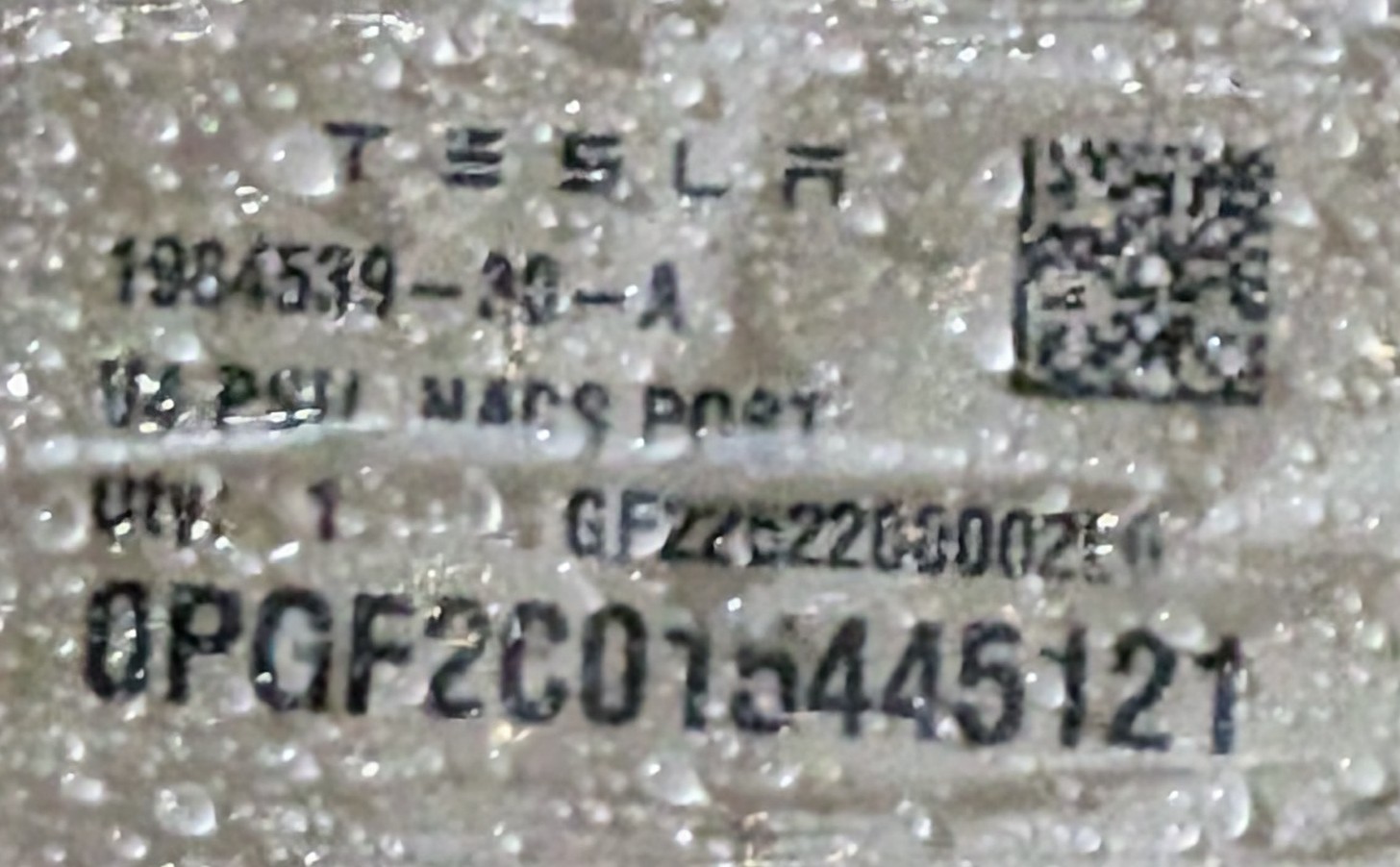
    The site will feature V4 dispensers paired with V3 cabinets, enabling charging speeds of up to 325 kW per vehicle. Installation of the cabinets and pedestals is already mostly complete, and crews are progressing quickly through electrical, conduit, and surface work. While construction could wrap up before year-end, utility connection and commissioning will likely extend into early (possibly mid) 2026.

    Utility connections are outside Tesla’s control and can sometimes take even longer. Several other Supercharger installations across the GTA have been waiting months for grid hookup, underscoring one of the main bottlenecks in Ontario’s EV infrastructure rollout.

    RioCan Elgin Mills offers a wide selection of nearby amenities — including Astoria Shish Kebob House, Pi Co. Pizza, Sunset Grill, Paris Baguette, Osmow’s, and Chatime — making it a convenient stop for both local and long-distance charging. For drivers staying longer or looking to shop while they charge, Costco and Home Depot are close by.

    Once complete, this will be one of the largest Superchargers in York Region, reflecting Tesla’s continued focus on building for peak demand in high-traffic corridors. Planning and developing large, well-placed charging hubs like this is exactly what Tesla’s Supercharging team does best.

  • ID.Buzz discounted $21,000 in Canada

    ID.Buzz discounted $21,000 in Canada

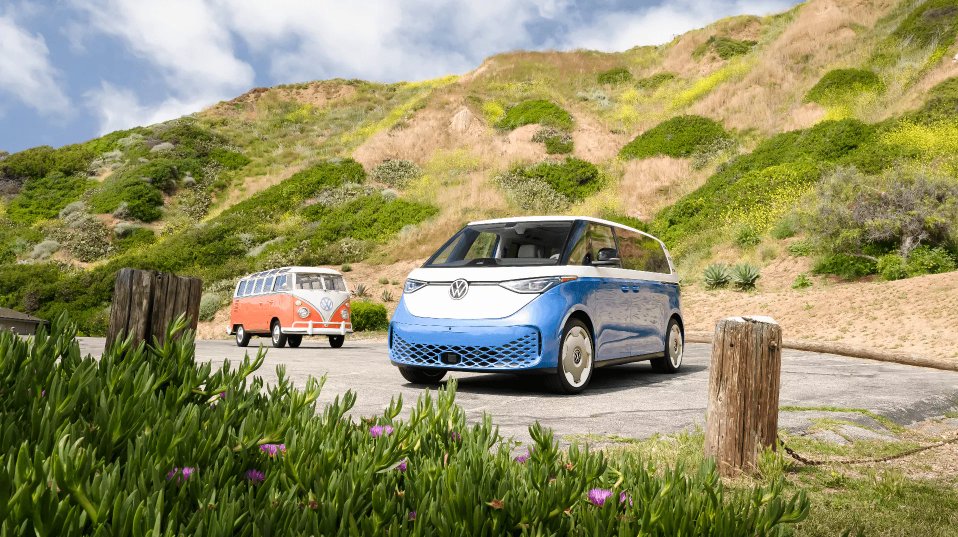
    Volkswagen has dramatically reduced the price of the ID.Buzz, making it far more competitive for the Canadian market. The RWD 7-seat version now starts at $59,640, while the AWD 6-passenger model begins at $65,140 after a huge $21,000 discount. This discount is specifically for customers looking to purchase a new ID.Buzz with cash or by securing their own financing.

    This limited-time offer applies through October 31, 2025, marking one of the steepest manufacturer discounts we’ve seen on a new electric vehicle in Canada this year.

    Two Tiers of Savings

    Volkswagen Canada is offering two tiers of savings depending on how the vehicle is purchased:

    • $21,000 off when paying cash or using third-party financing.

    • $6,000 off plus 0% financing for up to 60 months when financed directly through Volkswagen Financial Services.

    How does it compare?

    It’s now directly priced to compete with families deciding between the Tesla Model Y, Kia EV9, and Hyundai Ioniq 9. All three of these competing models fall within a similar price range but offer slightly different packages — with the Tesla Model Y being the only one currently limited to five seats. The ID.Buzz, meanwhile, offers the largest interior space for the money, making it a strong choice for those prioritizing room and practicality.

    The Future of ID.Buzz in Canada

    Seeing an ID.Buzz in Canada — even in EV-friendly cities like Toronto or Vancouver — is still extremely rare. However, Volkswagen is likely to significantly boost sales with this price adjustment. If it can remain this competitive on pricing, we’ll likely see many more of these fun, nostalgic vans cruising Canadian roads in the coming year.

  • Electrify Canada Opens First New Location in Years in Ontario

    Electrify Canada Opens First New Location in Years in Ontario

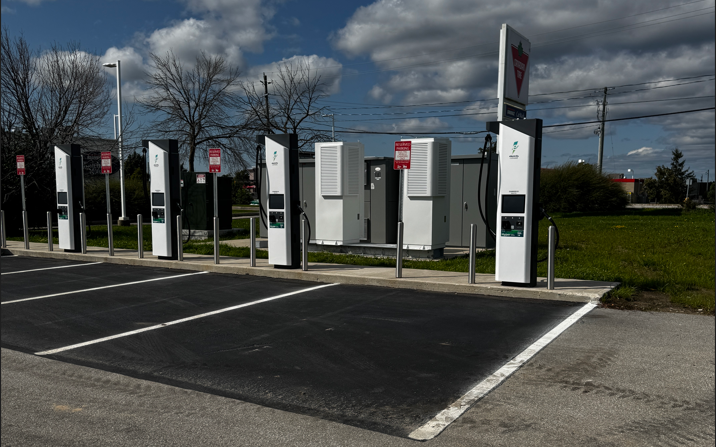
    Electrify Canada has blessed Ontario with a long-overdue fast-charging site in Owen Sound — the first new location in years for the network in the province. Fortunately, they chose a spot that genuinely needed coverage, making this the fastest charger in the area.

    The new site includes:

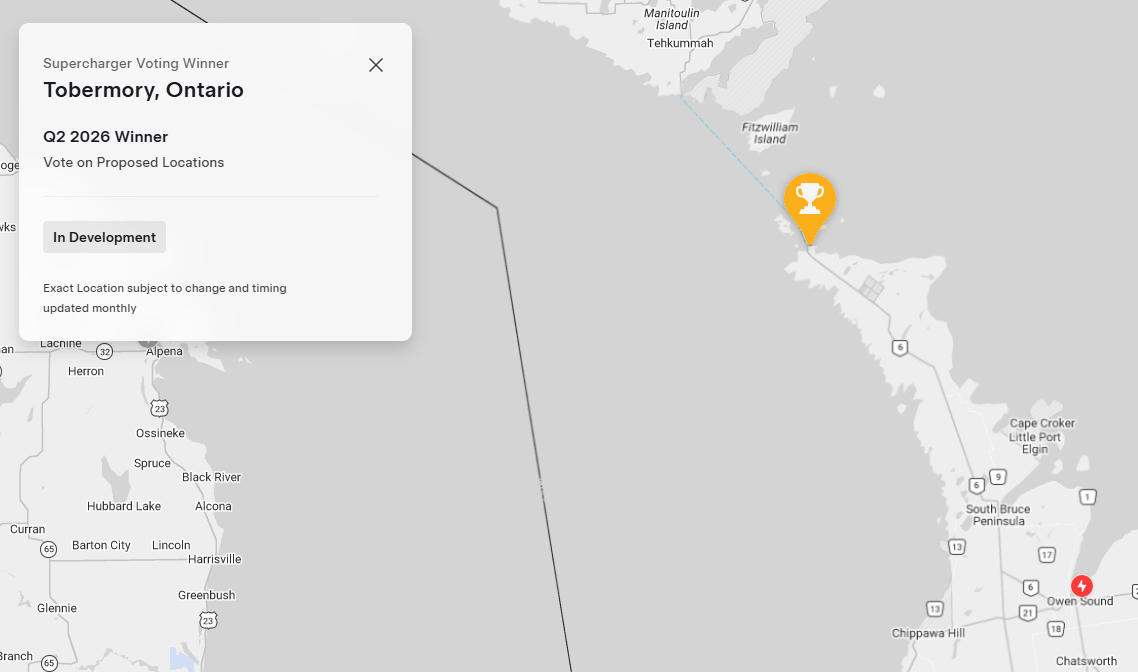
    For EV drivers (other than Tesla drivers, since there’s already a Supercharger in town) across Grey Bruce County and the Georgian Bay area, this station fills a huge gap in fast-charging coverage. Until now, longer trips through the region could feel like rolling the dice on range — especially for visitors heading up to Tobermory.

    With this move, Electrify Canada is showing it hasn’t completely ghosted Ontario expansion. Still, their overall ambitions remain questionable. This Owen Sound site, for example, has been under construction since 2022. Meanwhile, major travel corridors remain uncovered: there’s still nothing in Muskoka, Huntsville, Parry Sound, or northern Ontario. Even busy routes like Kingston–Oshawa and Hamilton–Niagara Falls are ignored.

    The hope is that Owen Sound marks a turning point rather than a one-off. Canada’s growing EV fleet needs more than Tesla’s mushrooming Supercharger network — and Electrify Canada still has a big role to play if it wants to stay relevant.

    It’s also worth noting that Electrify Canada is one of the most expensive charging networks in the province, at $0.79/kWh (including tax). By comparison, Tesla’s Supercharger in town costs $0.46/kWh (Tesla lists prices with tax included). For Tesla drivers, Electrify Canada would cost almost twice as much. At present, Electrify Canada appears to have little interest in competing on price or attracting a wider customer base. For most drivers, this station should be treated as an emergency option given the steep rates — unless the company reconsiders its pricing strategy in the future..

  • Model 3s Sold in Canada Come With Free Lifetime Supercharging

    Model 3s Sold in Canada Come With Free Lifetime Supercharging

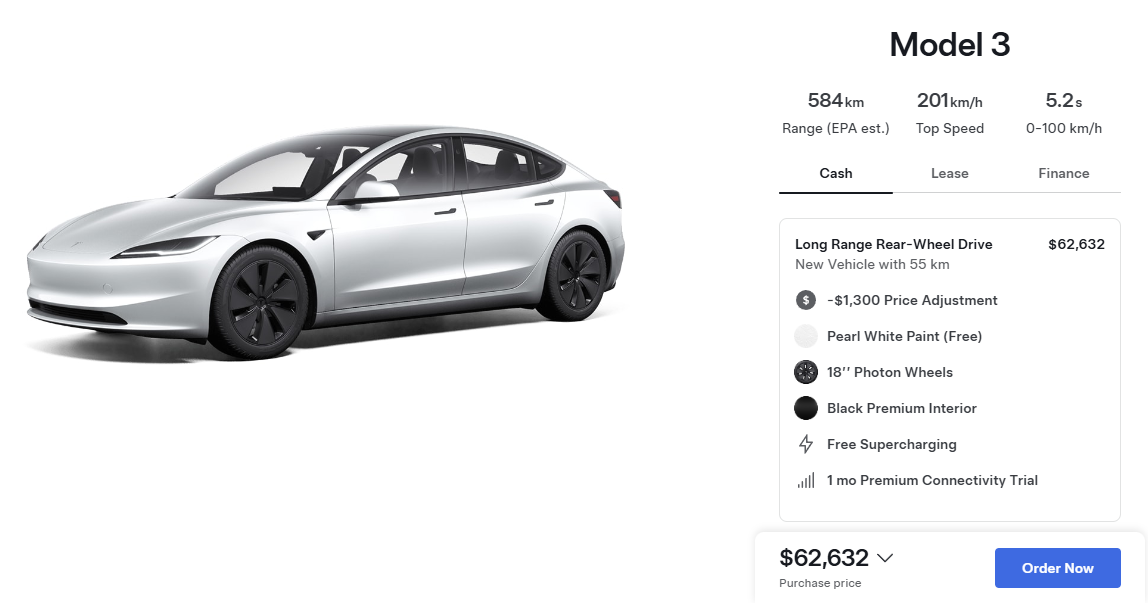
    Back in August, Tesla added a rare perk for Canadian buyers: lifetime free Supercharging on in-inventory Model 3s.

    What the deal looks like

    Pick up a Model 3 that’s already in Tesla’s Canadian inventory (demo cars count too) and you’ll get unlimited lifetime Supercharging included. That means any Tesla Supercharger in North America is fair game — whether you’re driving across Ontario or road-tripping down the U.S. East Coast.

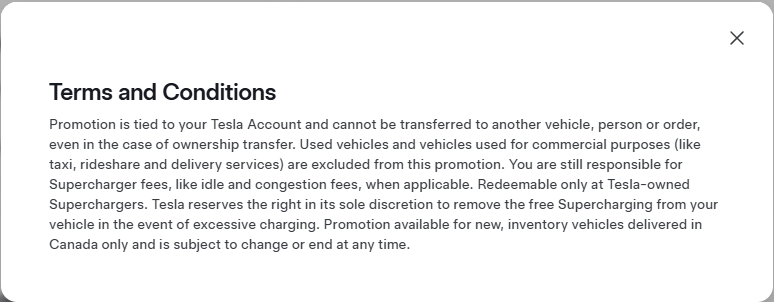
    The fine print:

    • Works for your account only (not transferable if you sell the car).
    • Personal use is fine, but using it for rideshare or delivery? Tesla could pull the perk.
    • Not offered on custom factory orders, just what’s in stock.

    Why is Tesla offering this perk?

    Tesla hasn’t been moving many Model 3s lately, especially given how the brand is currently perceived in Canada. Free lifetime Supercharging helps clear inventory while making the Model 3 more attractive compared to rivals.

    How Much Could You Save?

    Supercharging prices in Canada and the U.S. vary, but $0.33–$0.42 CAD per kWh is a fair ballpark.

    Let’s run a quick example:

    • Typical annual driving: 20,000 km
    • Average Model 3 efficiency: ~150 Wh/km (0.15 kWh/km)
    • Energy used per year: ~3,000 kWh

    If you relied mostly on Superchargers, that’s:

    3,000 kWh × $0.38 CAD = ~$1,140 per year

    Stretch that over 8 years of ownership and you’re looking at roughly $9,000 in fuel savings — and that’s before electricity rates creep up.

    Realistically, most owners mix home charging with road trip charging, so maybe you only save half that. Even then, ~$4,500 CAD is nothing to sneeze at.

    Good deal?

    All colors are also included/free for in inventory Model 3s. If you are considering a Model 3, this might be a good time to pick one up.

  • Canada’s Largest Supercharger Site Is Almost Complete!

    Canada’s Largest Supercharger Site Is Almost Complete!

    Ajax, Ontario will soon be home to Canada’s largest Supercharger site, featuring 44 V4 stalls. Construction, which began in May 2025, is now in its final phase. Crews are completing inspections, utility connections, and last-minute site work before the station can officially open.

    JML Electric, the contractor responsible for building the site, has been documenting progress on Instagram throughout the year.

    Construction Timeline (via JML Electric):

    May 29, 2025

    June 5, 2025

    June 8, 2025

    June 20, 2025

    August 10, 2025

    August 11, 2025

    August 13, 2025

    August 15, 2025

    August 18, 2025

    August 20, 2025

    August 21, 2025

    August 26, 2025

    What’s Next

    Tesla had previously listed Ajax among the Supercharger sites planned to open in 2025. However, even after construction wraps up, final activation can depend on local utilities, sometimes delaying a launch by several months or more.

    Still, if all goes well, the Ajax Supercharger should be operational by the end of 2025.

  • Ontario’s First V4 Supercharger Opens

    Ontario’s First V4 Supercharger Opens

    The first V4 Supercharger in Ontario has officially opened in Ingersoll, ON, featuring 16 dispensers. However, V3 power cabinets are being used at this site, limiting the maximum output to 250 kW per dispenser. This location stands out as one of the fastest-built and activated Supercharger sites in Ontario in recent years.

    Typically, it takes many months—sometimes over a year—for a Supercharger site to become operational. In contrast, this site was first listed as under construction on November 12, 2024, and went live just over two months later.

    Charging costs at this location are notably high: Tesla owners are charged $0.67 CAD per kWh, while non-Tesla EVs pay $0.90 CAD per kWh. As of now, the Tesla app indicates that 4 out of the 16 stalls are out of order.

    Superchargers along this stretch of highway are frequently busy, making this new location a welcome addition. It is expected to help alleviate some of the congestion at the London, ON Supercharger.

  • iZEV: Canada’s $5,000 EV Rebate Program Paused

    iZEV: Canada’s $5,000 EV Rebate Program Paused

    As of January 12, 2025, the iZEV incentive program has run out of funds. The Government of Canada has posted the following update on its website:

    The Incentives for Zero-Emission Vehicles (iZEV) Program funds have been fully committed. Consequently, the iZEV Program has now officially paused. We encourage you to visit our Frequently Asked Questions as they have been updated with regards to the Program’s pause. For additional questions, please write to [email protected].

    According to the updated FAQ, the program officially paused on January 12, 2025:

    The iZEV Program officially paused on January 12, 2025, as the allocated funds were fully committed.

    All authorized dealers and sellers enrolled in the Program have been formally notified of the Program’s pause.

    While the government refers to this as a “pause,” they have provided no details about when—or if—the program might restart:

    How long is the Program pause expected to last?

    Any updates to the Program will be posted on the Transport Canada website, and all authorized dealers and sellers enrolled in the Program will be notified.

    The Uncertain Future of the iZEV Program

    The Canadian Parliament is currently prorogued, making it unlikely that iZEV program funding will be replenished before Parliament resumes. Parliament is expected to reconvene on March 24, 2025. However, until a new federal budget is passed, funding for the program remains uncertain.

    Adding to the complexity, 2025 is an election year in Canada, which could further influence the government’s ability to allocate funds for iZEV.

    Impact on EV Sales in Canada

    In the short term, the pause is expected to negatively affect both EV affordability and sales in Canada. Electric vehicle sales experienced significant growth in 2024, fueled by the introduction of new EV models like the Chevrolet Equinox EV. However, with the suspension of the $5,000 rebate, the momentum in EV adoption may slow.

    Hopefully, this pause does not become permanent. For EV adoption to continue growing, support both from government incentives and the increasing availability of affordable models is needed.